


The Jacques Team Takeaway: Choosing between a condo vs. townhouse comes down to understanding how ownership, HOA fees, maintenance responsibilities, and lifestyle preferences fit your goals. While both offer great opportunities for Florida buyers, knowing the key differences can help you invest with confidence.
- Condos typically offer lower-maintenance living with more shared amenities.
- Townhouses often provide more space, privacy, and ownership of the land.
- In Florida, the legal structure, not the building style, drives cost and financing.
- Compare total monthly ownership costs, not just the purchase price.
- Touring both property types with a trusted Realtor is the best way to determine which option fits your lifestyle and budget.
———————
If you're getting ready to purchase a home in Florida, you've probably found yourself comparing condos and townhouses. At first glance, they can seem very similar. Both are often located in attractive communities, both may include amenities, and both can be more affordable than single-family homes.
However, once you start looking a little closer, you'll find there are some important differences that can affect your monthly expenses, maintenance responsibilities, privacy, and even your long-term investment.
When comparing a condo vs. a townhouse, there isn't one option that's automatically better. The right choice depends on your budget, lifestyle, and what you want from your next home. Whether you're exploring condos in South Florida or townhomes in Florida, understanding these key differences will help you make a more informed decision.
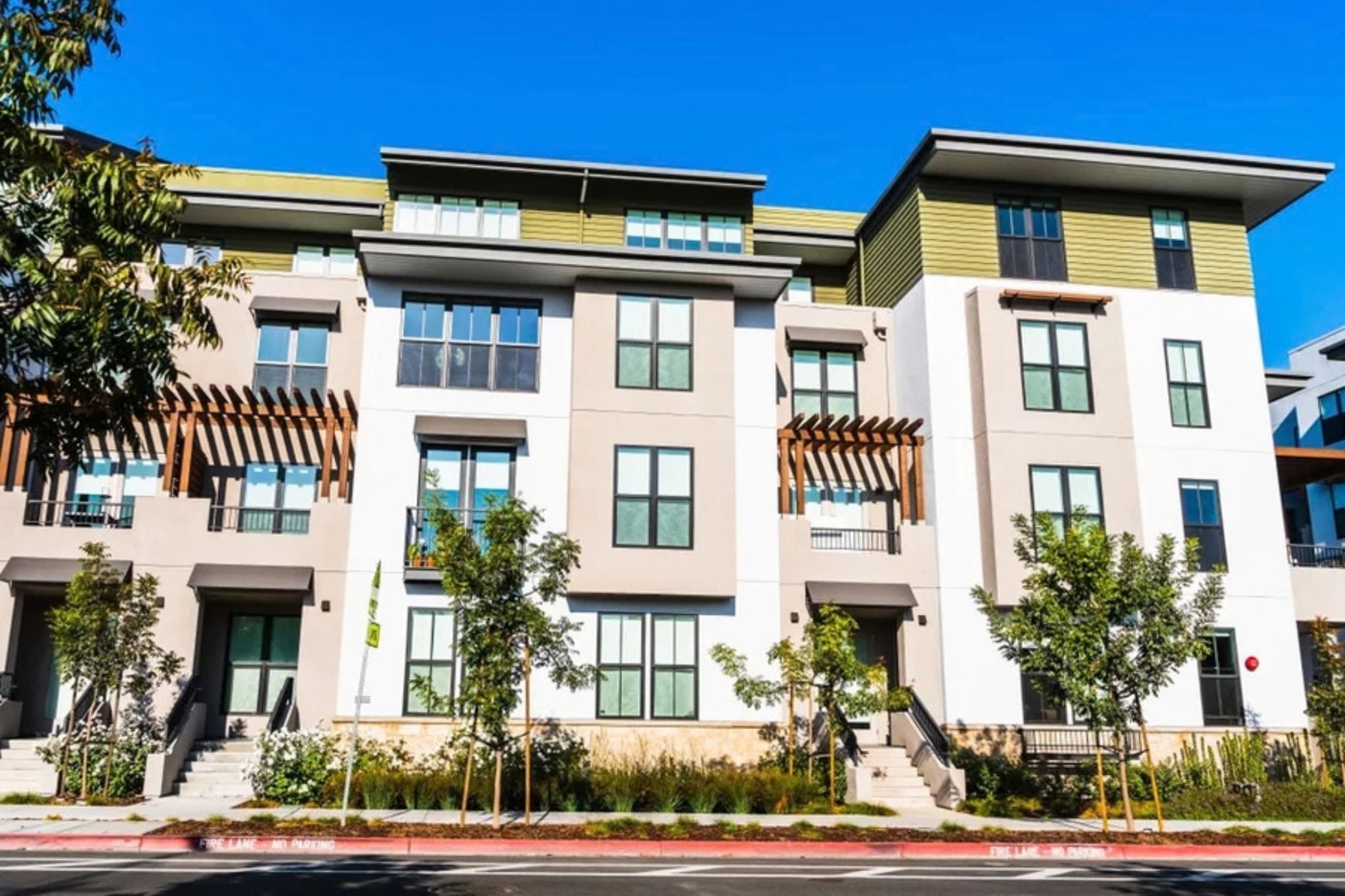
Ownership: What Are You Actually Buying?
One of the biggest differences between a condo and a townhouse is what you actually own. This is an area where I see buyers trip up all the time in the condo vs. townhouse decision-making. What a building looks like and what you legally own are two very different things.
Start with the building. A townhouse is purely architecture. Usually attached, two stories, often with its own garage and a small yard. That’s it. The word ‘townhouse’ doesn’t tell you anything about who owns what.
Ownership comes from the answer to a completely separate question: which document is recorded on the property?
That’s why it’s confusing. You can walk through a two-story attached home with a garage and a private patio in Palm Beach County or Broward County, where the building looks like a townhouse, but it’s a condominium. You don’t own the exterior walls, the roof, or the ground under your feet in a condo, no matter what listing photos show.
That’s Very Confusing. How Do You Know Which One You Have?
The only way to find out what you’re buying is to read the recorded declaration carefully.
In Florida, that documentation is either a Declaration of Condominium, filed under Chapter 718, or a Declaration of Covenants, Conditions and Restrictions, filed under Chapter 720 for a homeowner’s association. Nothing about the building’s architecture here decides which one applies.
A recorded declaration is a legal document filed in public records that outlines a community’s ownership structure, such as property boundaries and any rules. For condominiums, it should typically define each unit, shared areas, any owner responsibilities, and association rights.
HOA Fees, Maintenance, and Amenities
One of the first things buyers notice when comparing properties is the monthly homeowners association (HOA) fee. While both condos and townhouses often have homeowners associations, what those fees cover can vary.
Condo associations generally maintain the building's exterior, common areas, landscaping, roofs, and amenities. In many communities, the HOA also covers services that homeowners would otherwise pay for individually. Because associations are responsible for more, monthly fees are often higher than those for townhouses.
Townhouse HOAs may still maintain common areas and neighborhood amenities, but homeowners are frequently responsible for more of their own exterior maintenance. Every community is different, so it's important to understand exactly what the association covers before making an offer.
Is It Harder to Get a Loan for a Condo Than a Townhouse?
Often, yes. The reason has nothing to do with your credit. A condo loan requires the lender to approve the building, not just you.
Fannie Mae and Freddie Mac retired their Limited Review and Streamlined Review processes for conventional loans dated on or after August 3rd, 2026. Nearly every condo purchase now requires a full review of the association’s finances, reserves, insurance, delinquency rate, and litigation history.
A building can be flagged as non-warrantable for reasons that have nothing to do with the buyer, such as missing milestone inspections, missing SIRS, high owner delinquency, heavy investor
concentration, a single entity owning too large a share of units, or pending structural litigation.
If it’s non-warrantable, then conventional financing is off the table, leaving buyers with a specialty loan at a much higher rate, or no deal at all.
FHA (Federal Housing Administration) requires the project itself to be on HUD's approved list, or the buyer needs individual unit approval. VA approval is project-based only, with no spot approval; a lender can pursue single-unit approval as a workaround, but the default is that the whole building has to clear review first.
A townhome in a Chapter 720 HOA skips all of it. There's no project-level review, so it's underwritten essentially like a single-family home. For a buyer with a limited down payment, that's often the deciding factor.
Condo loans can also carry pricing adjustments at higher loan-to-value ratios. Ask your lender to price both scenarios before you assume the rate will match.
Have your lender pull the project review before you write an offer. It takes a few days, and it tells you whether the building can even close.
Is Homeowners Insurance Different Between a Condo and a Townhouse?
This is the biggest cost gap between a condo and a townhouse in Florida, and it comes down to which policy you're required to carry.
In a condominium, the association carries a master policy on the building. The owner buys an HO-6 policy, covering the interior, personal property, and upgrades, not the structure. In an HOA townhome, the owner typically owns the roof and structure, so the owner needs a full HO-3 policy, and in Florida that premium runs dramatically higher than an HO-6.
Roof age is the deciding factor for anyone taking on their own roof. Many Florida carriers won't write or renew an older shingle roof. Get the roof's age, a four-point inspection, and a wind mitigation report before you write an offer.
Ask whether the association carries a master flood policy, what it covers, and what you'd still need to insure yourself. A ground-floor unit or one in an AE flood zone is a different conversation than a unit on the third floor.
In a condominium, the association usually controls the exterior openings, including windows. Florida law doesn't let it refuse impact windows outright, but it can regulate the look and the approval process, so getting your own upgrade credited on your policy can take longer than in a townhome, where the owner controls that decision directly.
Get an actual quote during your inspection period, not after you're under contract. The gap between an HO-6 and an HO-3, or a roof that won't pass a four-point inspection, can change whether the deal still works.
Is the Fee on The Listing the Whole Story?
No, it’s a snapshot, not the full picture. What matters is whether the association is funded. A low fee at an underfunded association isn’t a bargain to celebrate. It’s a deferred bill, and in Florida right now, that bill can be substantial.
Condominium buildings three stories or taller must complete a Milestone Inspection once the building turns 30, or 25 if it sits within three miles of the coast, under Florida Statute 553.899.
Associations must also complete a Structural Integrity Reserve Study, and as of January 1st, 2026, fully funding those structural reserves is mandatory. Owners can no longer vote to waive or reduce that funding. When a building comes up short, the resulting special assessments have run anywhere from roughly $10,000 to over $100,000 per unit.
None of the above applies to HOA communities under Chapter 720, and it doesn’t apply to condo buildings under three stories either.
The practical takeaway: A two-story townhome, whether it’s an HOA or low-rise condo, generally sits outside of the Milestone Inspection and Reserve Study requirements now reshaping the mid-rise and high-rise condo market.
What’s Currently Happening to Condo Fees?
Statewide, condo and townhouse median prices have gone flat while single-family prices keep rising. As of July 2026, the median for condos and townhouses statewide has sat at $295,000, unchanged from a year prior.
Florida Realtors data also shows condo and townhouse inventory rising sharply, with units taking longer to reach contract.
Buyers are citing insurance and HOA costs as one of the biggest reasons. Affordability in Florida’s condo market is now a total monthly cost problem instead of a purchase price issue.
Should You Weigh the Pros and Cons of Maintenance and Amenities?
Yes. And when weighing the condo pros and cons, many buyers appreciate having fewer maintenance responsibilities. If you travel often, own a seasonal residence, or simply don't enjoy home maintenance, a condo can provide peace of mind.
On the other hand, the townhouse pros and cons often appeal to buyers who want more independence. Although you may spend more time maintaining your property, you also have greater ownership and, in some communities, fewer restrictions.
Amenities are another important consideration. Many condos in South Florida communities are known for resort-style living. Depending on the neighborhood, residents may enjoy swimming pools, fitness centers, clubhouses, walking trails, concierge services, security, or waterfront access.
Townhouse communities may also include shared amenities, but they're often more modest and focused on neighborhood conveniences rather than luxury features.
Before making your decision, compare more than just the HOA fee. Look at the overall value you're receiving and ask yourself whether you'll actually use the amenities you're paying for.
Ask your agent to pull:
- The recorded declaration and bylaws
- The current budget and the most recent financial statements
- The reserve study (SIRS), and the milestone inspection report if the building is three stories or more
- The last twelve months of board meeting minutes, where assessment discussions surface before they become assessments
- The estoppel certificate (A signed document that confirms key facts about a property such as unpaid fees, rule violations, and any amounts owed to an HOA or Condo association)
- The master insurance declarations page
- The delinquency rate among owners
- The percentage of units that are investor-owned or held by a single entity
- Any pending litigation
- Leasing restrictions, minimum lease terms, board approval requirements, and pet policies. In writing.
Space, Lifestyle, and Long-Term Value
Choosing between a condo and a townhouse isn't just about ownership. It's also about how you plan to live.
Townhouses often provide more square footage than condominiums. Many include attached garages, multiple stories, private patios, and additional storage. For growing families, pet owners, or buyers who work from home, the extra space can make a noticeable difference.
Condos, meanwhile, are designed for convenience. They often appeal to first-time buyers, retirees, seasonal residents, and busy professionals who want to spend less time maintaining a home and more time enjoying everything South Florida has to offer.
Another question buyers frequently ask is whether townhomes are more expensive than condos.
The answer depends on the community.
A townhouse may have a higher purchase price because it offers more living space and land ownership. A condo may cost less initially but carry higher HOA dues because more services and maintenance are included.
Instead of focusing only on the listing price, compare the complete monthly cost of ownership, including:
- Mortgage payment
- HOA dues
- Property taxes
- Homeowners insurance
- Expected maintenance expenses
Looking at the bigger financial picture often makes it easier to determine which property truly fits your budget.
Location should also play a role in your decision. Throughout South Florida, you'll find excellent condominium and townhouse communities, each offering something a little different. Some buyers prioritize walkability and amenities, while others prefer quieter neighborhoods with
additional privacy and outdoor space.
The best way to narrow your options is by touring both property types. Seeing them in person often helps buyers recognize what feels most like home.
If you're beginning your search, check out our Buyer's Resources for helpful information about purchasing a home in South Florida.
Which One Is Right for You?
A small downpayment or a tight budget makes a condo harder to finance because the lender has to approve the building, not the person. An HOA townhome skips that review entirely. There’s no massive project review standing between you and closing an HOA townhome.
Prefer to travel, own the place seasonally, or want to skip dealing with roof problems? A condo works as long as the association is funded.
Planning to lease it out eventually? Check the leasing rules before you do anything else.
Buildings with three stories or more, or older than thirty years, must change your whole conversation and revolve around milestone inspections and reserve status. The very first questions that must be answered.
Want to have the final say on things like impact windows, roof timing, and exterior changes? What you want is an HOA townhome, not a condo.
Before you write an offer on either, pull the association documents and the lender’s project review on the exact unit you’re considering. That’s what truly tells you what you are buying.
Contact us today for expert insights from a realtor you can trust!
Check out this article next