TL;DR: The home inspection process is one of the most important steps in buying or selling a Florida home, and it doesn’t have to be intimidating. This guide walks you through what inspectors look for, how to respond to their findings, and the regional concerns that make a Florida inspection different.
- A typical inspection takes two to four hours and produces a detailed report within a day or two, giving buyers a 7-to-15-day contingency window to negotiate or walk away.
- Both buyers and sellers benefit: buyers avoid costly surprises, and sellers who inspect before listing price with confidence and keep deals on track.
- Florida-specific concerns include roof age, wind mitigation and four-point inspections, termites, moisture and mold, and pools or seawalls.
- Standard inspections typically cost $350 to $600, with add-ons priced separately.
- Sort findings into safety, insurability, and maintenance to decide what’s worth negotiating.
Few moments in a real estate transaction carry as much weight as the home inspection. For buyers, it’s the clearest look you’ll get at what you’re actually purchasing. For sellers, it’s often the difference between a smooth closing and a stressful renegotiation.
Yet for many people, the home inspection process feels like a mystery: someone shows up with a flashlight and a ladder, and a few days later a report lands in your inbox full of photos and technical language.
If you’ve ever found yourself asking, “What is the home inspection process like?” you’re in good company. Here’s what to expect, how to handle what the inspector finds, and why a home inspection in Florida looks a little different than it does anywhere else in the country.
How the Home Inspection Process Works
Most buyers start with one simple question: “How do home inspections work?” The home inspection process begins the moment your offer is accepted. Most Florida purchase contracts include a home inspection contingency, a window (often 7 to 15 days) during which the buyer hires a certified home inspector, reviews the findings, and decides whether to move forward, negotiate, or cancel and keep their deposit.
Florida requires anyone performing home inspections for compensation to hold a state license, so verify your inspector’s license through the Florida DBPR before you book. Your agent can also recommend inspectors with a proven track record in your area. theceshop
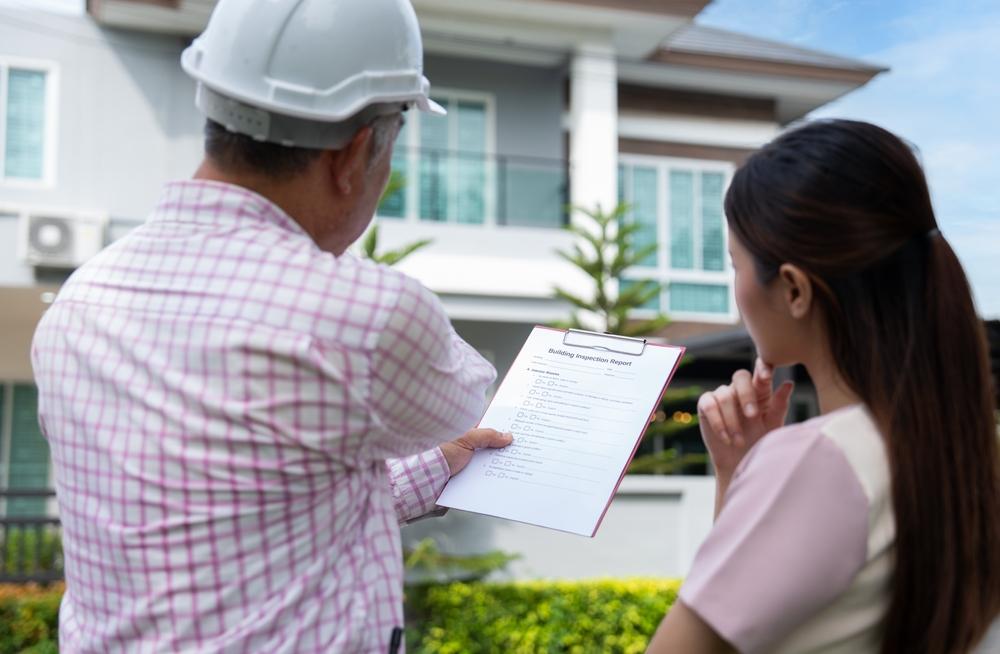
What happens during a home inspection? The inspector typically spends two to four hours walking the property, depending on the size and age of the home. We always encourage buyers to attend.
Watching the inspector work and asking questions in real time will teach you more about the house than any document can. Within a day or two, you’ll receive a detailed home inspection report with photos, a description of each issue, and recommendations that range from “monitor” to “have a licensed contractor evaluate before closing.”
Contract, inspection, report, decision. That’s the process in a nutshell. The details are where Florida gets interesting.
Why Buyers and Sellers Both Need One
Who needs a home inspection? In our experience, everyone on either side of the transaction.
Buyers ask us constantly, “Should I get a home inspection?” Lenders rarely require one, which is exactly why some buyers are tempted to skip it in a competitive market. We strongly advise against that. A home inspection for buyers is the only objective, third-party look you’ll get at a property before you own every problem it has. When you’re buying a home, a few hundred dollars up front can save you tens of thousands (or more) later.
Sellers rarely ask, “Do I need a home inspection?” but more of them should. A home inspection for sellers is less common but increasingly smart. A pre-listing inspection lets you find and fix issues on your own timeline, price your home with confidence, and avoid the surprise findings that derail deals during the buyer’s contingency period. It also supports accurate disclosure, which Florida law requires for known defects that materially affect a home’s value. Understanding the home inspection process from the seller’s side puts you in control of the conversation instead of reacting to it.
So should you get a home inspection? If you’re buying in Florida, we’d call it non-negotiable. If you’re selling, it’s one of the best ways to protect your sale price.
What Inspectors Look For
A standard inspection covers the major systems and visible components of the home: the roof and attic, foundation and structure, exterior walls and drainage, electrical panel and wiring, plumbing and water heater, heating and cooling systems, interior walls and ceilings, windows and doors, and built-in appliances. Inspectors note anything that’s unsafe, not working, or near the end of its useful life.
What’s not included matters too. Pools, termites, mold, sewer lines, and septic systems typically require specialty inspections, and in Florida several of them are worth adding.
What Makes a Home Inspection in Florida Different
Every home inspection Florida buyers schedule should account for our climate, our insurance market, and the way homes here are built. A few regional concerns come up again and again:
Roof age and condition. Nothing affects Florida insurability like the roof. Many carriers scrutinize roofs older than about 15 years and may require a separate roof inspection before writing a policy, so inspectors pay close attention to shingle or tile condition, flashing, and signs of past leaks.
Wind mitigation inspections. This separate report documents hurricane-resistant features such as roof shape, roof-to-wall connections, and impact windows or shutters, and it can earn meaningful insurance discounts. Eligible homeowners can even get one at no cost through the state’s My Safe Florida Home program, which provides free wind mitigation inspections and grant assistance for approved upgrades.
Four-point inspections. Insurers often require this report on older homes. It focuses on four systems: roof, electrical, plumbing, and HVAC. Outdated panels, aluminum wiring, polybutylene pipes, and cast-iron drain lines are common flags.
Termites and wood-destroying organisms. Our warm, humid climate is ideal for both subterranean and drywood termites. Most lenders require a WDO inspection, and when one is performed for a real estate transaction, Florida law requires a written wood-destroying organism inspection report (see Florida Statute 482.226).
Moisture, humidity, and mold. Year-round humidity, air conditioning condensation, and poorly ventilated attics create ideal conditions for mold and wood rot. Inspectors look for staining, musty odors, and elevated moisture readings.
Pools, screen enclosures, seawalls, and docks. In South Florida, outdoor living is both a selling point and a liability. Pool equipment, pump age, enclosure condition, and, for waterfront homes, the seawall cap and dock pilings all deserve a specialist’s eye.
Home Inspection Costs
Home inspection costs in Florida vary, but a standard inspection on a single-family home typically runs a few hundred dollars, often in the $350 to $600 range depending on the size, age, and location of the property. Add-ons like wind mitigation, four-point, WDO, and pool inspections are usually priced separately, and many inspectors offer bundled rates. Compared to the price of a new roof or a termite treatment, it’s one of the best investments you’ll make in the entire transaction.
How to Handle the Findings
Every home inspection report will have a list. Older homes will have a long one. The goal is not a perfect house; it’s an informed decision. This stage of the home inspection process is where strong representation earns its keep.
For buyers, start by sorting the findings into three buckets: safety and structural issues, items that affect insurance or financing, and routine maintenance. The first two are worth negotiating. The third usually isn’t. Under your home inspection contingency, you can request repairs, ask for a credit at closing, renegotiate the price, or cancel. Keep in mind that many Florida contracts are written “as is,” meaning the seller isn’t obligated to make repairs, but you still have the right to walk away, and sellers who want to close are often willing to negotiate.
For sellers, resist the urge to take the report personally. Respond strategically: prioritize anything that threatens the buyer’s insurance or loan approval, get contractor quotes before agreeing to a credit, and keep receipts for completed work. If you had a pre-listing inspection, you’ll already be ahead of the conversation.
Move Forward with Confidence
The home inspection process doesn’t have to be intimidating. With the right inspector, the right contract protections, and an agent who knows what Florida homes and Florida insurers care about, it becomes exactly what it should be: clarity before one of the biggest decisions of your life.
Whether you’re buying your first home in Palm Beach County or preparing to list a waterfront property, The Jacques Real Estate Team is here to guide you from inspection to closing. Learn more about us, or contact us today for expert insights from a realtor you can trust!
Check out this article next